When choosing a mattress for back pain, several key features can greatly influence your comfort and support:
Editorial Score
Top pick
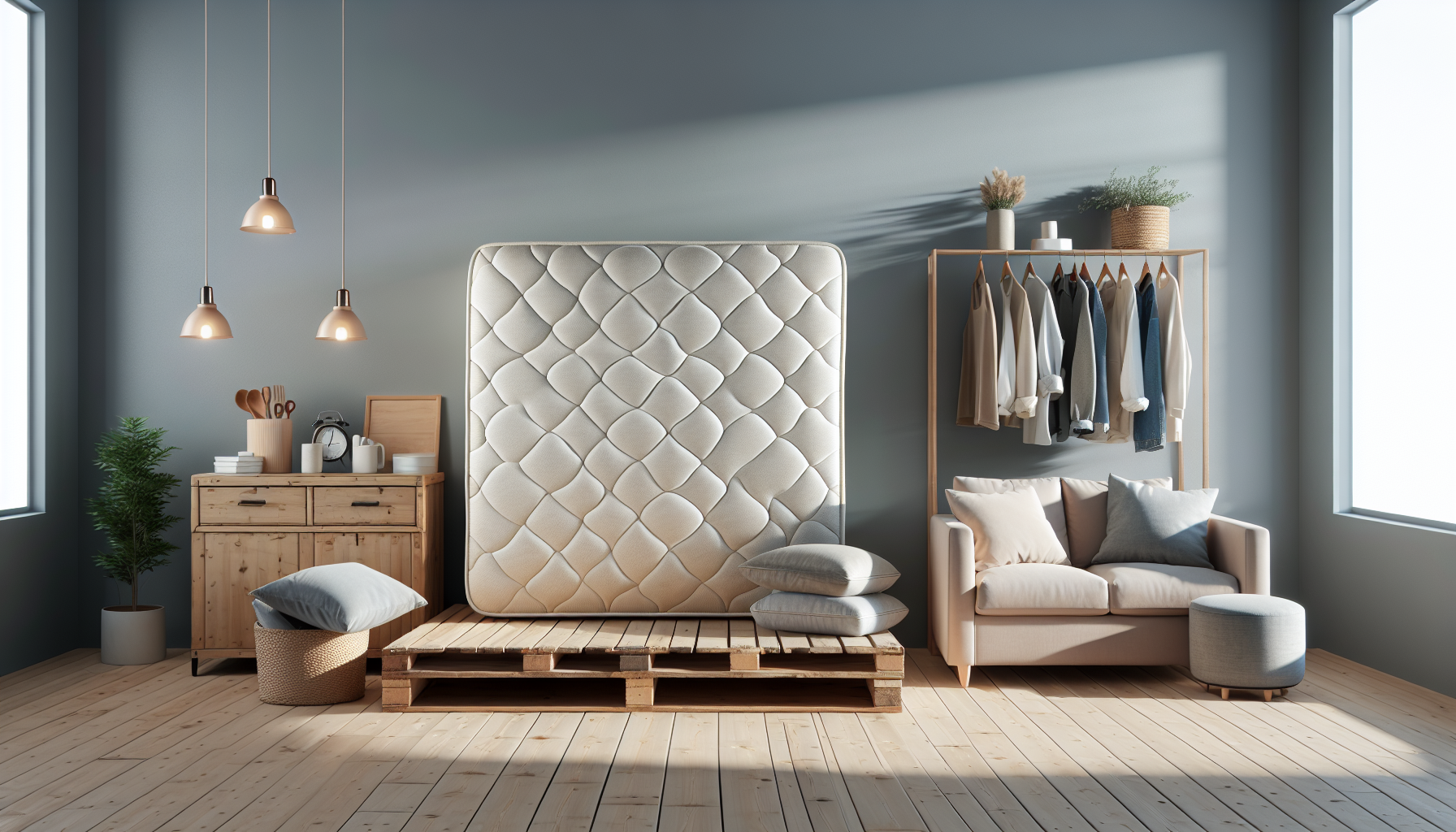
Tempur-Pedic TEMPUR-Cloud Mattress
Pros
- Excellent pressure relief
- Conforms to body shape for support
- Reduces motion transfer
- Durable and long-lasting design
Cons
- Higher price point
- May feel too soft for some sleepers
- Heavy and difficult to move
Key Features
When choosing a mattress for back pain, several key features can greatly influence your comfort and support:
- Support Level: A mattress that offers adequate spinal alignment is crucial for back pain relief. Look for models with medium to medium-firm support, as they provide a balance between comfort and firmness.
- Material: Common materials include memory foam, latex, and innerspring. Memory foam is excellent for pressure relief, while latex is durable and offers a bit more bounce. Innerspring mattresses can provide good support but may not contour to your body as well.
- Motion Isolation: If you share a bed, a mattress with good motion isolation helps prevent disturbances from movement.
- Temperature Regulation: In Canada, with its varying climate, a mattress that regulates temperature can enhance sleep quality. Look for materials that promote airflow or have cooling gel layers.
- Durability and Warranty: A durable mattress is a smart investment. Check for at least a 10-year warranty, which indicates the manufacturer’s confidence in their product.
- Trial Period: Many companies offer trial periods that allow you to test the mattress at home. This is essential for ensuring it meets your comfort needs.
Pros & Cons
Choosing the right mattress for back pain has its advantages and disadvantages:
Pros:
- Improved Sleep Quality: A supportive mattress can lead to better sleep, which is vital for overall health.
- Pressure Relief: Many mattresses designed for back pain relieve pressure on sensitive areas like the lower back and hips.
- Spinal Alignment: A good mattress promotes proper alignment, reducing the risk of worsening back issues.
Cons:
- Price: Quality mattresses can be expensive, with prices ranging from $800 to over $3000.
- Varied Preferences: What works for one person might not work for another, making it hard to find the perfect fit.
- Adjustment Period: Some people might need time to adjust to a new mattress, which can be uncomfortable initially.
How It Compares
Here’s a comparison of three popular mattress models available in Canada that are often recommended for back pain relief:
| Mattress | Type | Firmness | Price (CAD) | Trial Period | Warranty |
|---|---|---|---|---|---|
| Tempur-Pedic TEMPUR-Cloud | Memory Foam | Medium | From $2,199 | 90 Nights | 10 Years |
| Endy Mattress | Polyfoam | Medium-Firm | From $849 | 100 Nights | 15 Years |
| Sealy Posturepedic | Innerspring | Medium-Firm | From $1,199 | 90 Nights | 10 Years |
Each of these mattresses has unique features that cater to different preferences. The Tempur-Pedic offers luxurious memory foam comfort, while the Endy is a more budget-friendly option with good support. Sealy provides classic innerspring support, suitable for those who prefer traditional mattresses.
Who It's For
A mattress designed for back pain is beneficial for a wide range of individuals:
- Chronic Pain Sufferers: Those with ongoing back issues or conditions like sciatica can significantly benefit from the right mattress.
- Active Individuals: People who engage in physical activities may need extra support to recover from workouts and prevent injuries.
- Aging Adults: Older adults often experience more back pain, and a supportive mattress can enhance their quality of sleep.
- Couples: If you and a partner have differing comfort needs, choosing a mattress with customizable options can ensure both of you sleep well.
How to Choose
When selecting the right mattress for back pain, consider the following steps:
- Assess Your Sleeping Position: Side sleepers generally benefit from softer mattresses to cushion the shoulders and hips, while back and stomach sleepers often need firmer support.
- Test Different Mattresses: Visit local stores like Canadian Tire, Home Depot, or specialty mattress shops to try various options.
- Consider Your Budget: Determine a price range that meets your needs without compromising on quality. Expect to spend between $800 and $3,000 for a suitable mattress.
- Check for Return Policies: Ensure the mattress has a generous trial period and return policy in case it doesn’t meet your expectations.
- Look for Customer Reviews: Real-world reviews can give insight into the mattress's performance over time, especially related to back pain relief.
- Evaluate Your Home’s Climate: In Canada, consider how temperature changes might affect your mattress choice. Materials like gel-infused foam can help regulate temperature in warmer months.
FAQ
What mattress firmness is best for back pain?
Medium to medium-firm mattresses are usually recommended for back pain, as they provide a balance between support and comfort.
How long do mattresses last?
Most mattresses last between 7 to 10 years, but it can depend on the material and how well you care for it.
Can I use a mattress protector with any mattress?
Yes, a mattress protector can extend the life of your mattress by protecting it from spills, allergens, and dust mites.
How do I know if my mattress is too old?
If you notice sagging, lumps, or if you wake up with back pain more often, it might be time to replace your mattress.
Is buying online safe?
Yes, many reputable brands offer online shopping with generous return policies, making it a safe option if you research beforehand.
We may earn a commission from links. Opinions are our own. Verify specs and prices before buying.
Ready to apply?
Compare & Apply →Our Methodology
BGR's editorial team evaluates products using independent testing, consumer data, and verified Canadian market pricing.
Data sources: FCAC, CMHC, issuer websites, Equifax Canada, TransUnion Canada. Last audit: June 2026.