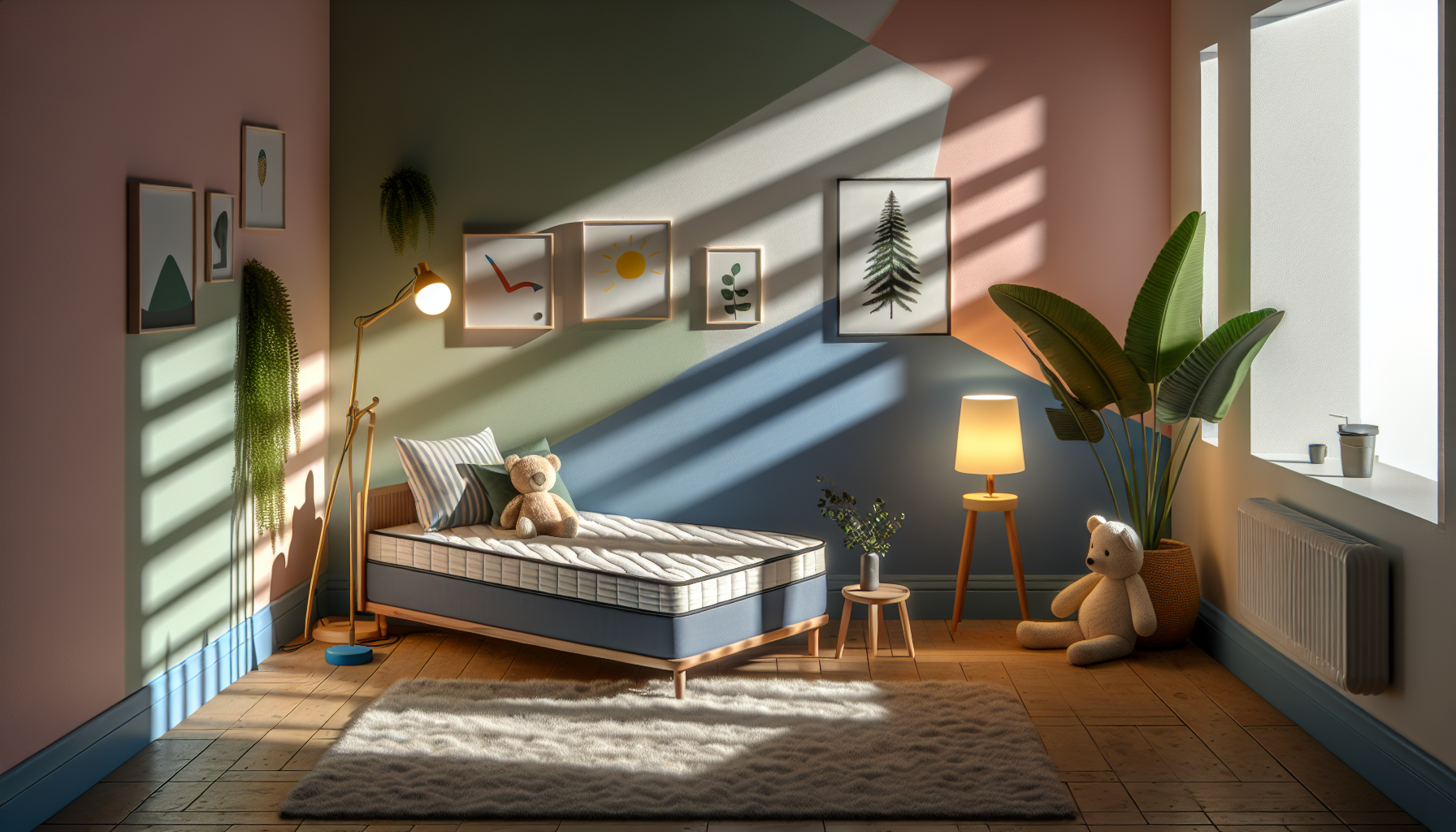
Choosing a mattress for a small apartment can be a daunting task, especially considering the limited space and specific needs you might have. Here are the key features to keep in mind while selecting the right mattress:
Editorial Score
Top pick
Tuft & Needle Original Mattress
Pros
- Excellent pressure relief for a comfortable sleep
- Lightweight and easy to transport
- Compatible with various bed frames
- Good motion isolation for couples
Cons
- May not provide enough support for heavier individuals
- Limited firmness options
- Edge support could be better
Key Features
Choosing a mattress for a small apartment can be a daunting task, especially considering the limited space and specific needs you might have. Here are the key features to keep in mind while selecting the right mattress:
- Size: In a small apartment, a full or queen-size mattress is typically ideal. A twin may fit better in a guest room or studio, while a king might be too large.
- Thickness: Mattresses range in thickness from about 6 to 14 inches. In small spaces, a thinner mattress can save space and make moving around easier.
- Material: Common materials include memory foam, innerspring, latex, and hybrid models. Each offers different benefits regarding support, comfort, and temperature regulation.
- Weight: A lighter mattress (around 40-70 lbs) can be easier to move, especially in tight spaces or up stairs.
- Storage Options: If space is limited, consider mattresses that can be rolled up or folded, or those that come with built-in storage solutions.
- Temperature Regulation: In Canada, where winters can be harsh, it's important to choose a mattress that provides good insulation without overheating in the summer.
- Warranty: Look for a mattress with at least a 10-year warranty. This will protect your investment and ensure you're covered for manufacturing defects.
Pros & Cons
Understanding the advantages and disadvantages of different mattress types can help you make an informed decision.
| Type | Pros | Cons |
|---|---|---|
| Memory Foam |
|
|
| Innerspring |
|
|
| Latex |
|
|
| Hybrid |
|
|
How It Compares
In Canada, several popular mattress options cater to the needs of small apartment dwellers. Here’s a brief comparison of three popular models in 2026:
- Endy Mattress: This Canadian-made memory foam mattress offers excellent motion isolation and pressure relief. It’s available in queen size for around CAD 850, and is designed to be shipped in a box, making it easy to move in tight spaces.
- Novosbed: Another Canadian option, Novosbed's mattress is a medium-firm foam model that comes in various thicknesses (10", 12", and 14"). Prices start from CAD 799 for the 10" model. It also offers a 120-night sleep trial, which is great for those unsure about their purchase.
- Leesa Original: This hybrid mattress combines memory foam and pocket springs, priced around CAD 1,199 for a queen. It's a bit on the higher side but offers excellent support and durability, making it suitable for both small and larger spaces.
When comparing these options, consider your personal preferences regarding firmness, budget, and specific needs such as temperature sensitivity or motion isolation.
Who It's For
Choosing the right mattress is crucial for anyone living in a small apartment, including:
- Students: Often living in tight quarters, students require mattresses that are compact yet comfortable.
- Young Professionals: With busy lifestyles, professionals need durable mattresses that provide good support for restful sleep.
- Couples: If space is limited, couples should consider mattresses that minimize motion transfer to ensure uninterrupted sleep.
- Small Families: Parents may need versatile mattress options for guest rooms or for kids transitioning from cribs.
How to Choose
While selecting a mattress, consider the following steps to make an informed decision:
- Assess Your Space: Measure your bedroom to determine the maximum mattress size that can comfortably fit.
- Identify Your Needs: Consider factors such as firmness preference, sleeping position, and any specific health concerns (e.g., back pain).
- Test Before You Buy: If possible, try out mattresses in-store to gauge comfort levels. Many online retailers also offer generous trial periods.
- Check for Reviews: Look for customer feedback on comfort, durability, and warranty claims to ensure you’re making a wise investment.
- Consider Return Policies: Especially for online purchases, a good return policy can provide peace of mind if the mattress doesn’t suit you.
In Canada, many retailers, including Canadian Tire, Home Depot, and Amazon.ca, offer various options, making it easy to compare prices and features.
FAQ
What size mattress is best for a small apartment?
A full or queen-size mattress is typically best for a small apartment, as they provide ample sleeping space without overwhelming the room.
How do I maintain my mattress?
To maintain your mattress, rotate it every three months, use a mattress protector, and clean stains promptly to prolong its lifespan.
Are there eco-friendly mattress options in Canada?
Yes, brands like Novosbed and Leesa offer eco-friendly mattresses made from sustainable materials. Look for certifications like CertiPUR-US or OEKO-TEX.
How often should I replace my mattress?
Typically, you should consider replacing your mattress every 7-10 years, but this can vary based on wear and personal comfort preferences.
Can I return a mattress purchased online?
Many online retailers offer trial periods during which you can return the mattress if it doesn’t meet your expectations, so always check the return policy before purchasing.
We may earn a commission from links. Opinions are our own. Verify specs and prices before buying.
Ready to apply?
Compare & Apply →Our Methodology
BGR's editorial team evaluates products using independent testing, consumer data, and verified Canadian market pricing.
Data sources: FCAC, CMHC, issuer websites, Equifax Canada, TransUnion Canada. Last audit: June 2026.