When it comes to selecting the right air conditioner for your home, understanding the key features is essential for making an informed decision. Here are some of the primary features to consider:
Editorial Score
Top pick
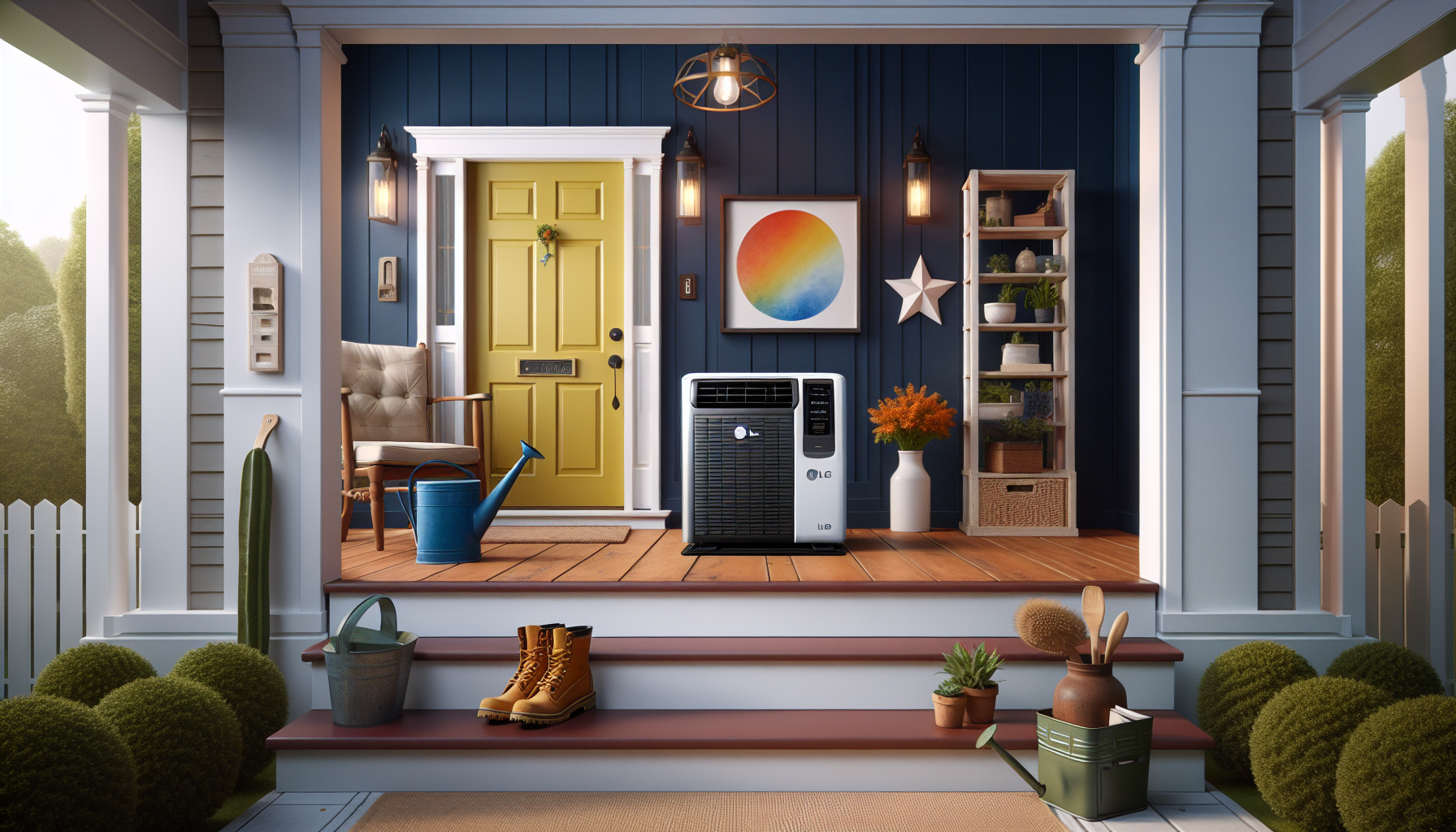
LG LW8016ER 8,000 BTU Window Air Conditioner
Pros
- Efficient cooling for medium-sized rooms
- Easy installation with a window mounting kit
- Energy Star certified for lower energy costs
- Remote control for convenient operation
Cons
- May be too loud for light sleepers
- Not suitable for larger spaces beyond 350 sq ft
- Limited features compared to some smart AC models
Key Features
When it comes to selecting the right air conditioner for your home, understanding the key features is essential for making an informed decision. Here are some of the primary features to consider:
- BTUs (British Thermal Units): This is the most crucial measurement for determining the cooling capacity of an air conditioner. A higher BTU rating means more cooling power, but it's essential to match it with your room size.
- Energy Efficiency Ratio (EER): This rating indicates how efficiently an air conditioner operates. A higher EER means lower energy costs, which is particularly important for Canadian homeowners who want to minimize their hydro bills.
- Noise Level: Measured in decibels (dB), the noise level of an air conditioner can significantly affect your comfort. Look for units under 60 dB for quieter operation.
- Size and Portability: Consider whether you want a window unit, a portable air conditioner, or a split system. Each has its advantages and storage considerations, especially in smaller Canadian apartments.
- Smart Features: Some modern air conditioners come with Wi-Fi connectivity, allowing you to control them remotely through an app. This can be a great feature for those who want to cool their home before they arrive.
- Installation Requirements: Knowing the installation process and whether it requires professional help can influence your choice. Some models are DIY-friendly, while others may need a professional touch.
Pros & Cons
Like any product, air conditioners have their advantages and disadvantages. Here’s a breakdown to help you weigh your options:
Pros
- Improved Comfort: A good air conditioner can significantly enhance your indoor comfort during the hot summer months, especially in regions like Ontario and Quebec.
- Health Benefits: Air conditioning can help reduce humidity levels and allergens, improving air quality.
- Energy Efficiency: Many modern units are designed to be energy-efficient, which can save you money in the long run.
- Versatility: Options range from portable to window units, catering to various living situations and preferences.
Cons
- Initial Cost: Quality air conditioners can have a high upfront cost, ranging from $300 to over $2,000, depending on the type and capacity.
- Installation: Some units can be challenging to install, and professional installation can add to the overall expense.
- Maintenance: Regular maintenance is required to keep units running efficiently, which includes cleaning filters and checking for refrigerant leaks.
- Noise Levels: Depending on the model, some air conditioners can be noisy, which might be disruptive in quiet environments.
How It Compares
Here's a comparison of three popular air conditioners you might find in Canada in 2026:
| Model | Type | BTUs | EER | Noise Level (dB) | Price (Approx.) | Where to Buy |
|---|---|---|---|---|---|---|
| LG LW1216ER | Window AC | 12,000 | 12.1 | 54 | From $650 | Canadian Tire, Amazon.ca |
| DeLonghi Pinguino PACAN140ES | Portable AC | 14,000 | 9.1 | 53 | From $850 | Home Depot, Amazon.ca |
| Frigidaire FFRE0833S1 | Window AC | 8,000 | 12.0 | 56 | From $400 | Canadian Tire, Home Depot |
When comparing these models, consider your specific needs. For larger spaces, the DeLonghi Pinguino offers more cooling power but at a higher cost. The LG model strikes a balance between efficiency and noise, while the Frigidaire is a budget-friendly option for smaller areas.
Who It's For
Choosing the right air conditioner depends on your living situation, climate, and personal preferences. Here’s a guide to who might benefit from different types of air conditioners:
- Apartment Dwellers: If you live in a small apartment, a portable air conditioner or a compact window unit is ideal due to limited space and installation options.
- Homeowners with Larger Spaces: If you have a larger home, a more powerful window AC or a split system may be necessary to effectively cool multiple rooms.
- Budget-Conscious Buyers: For those on a tight budget, there are affordable window units that provide adequate cooling without breaking the bank.
- Tech-Savvy Users: If you enjoy smart home technology, consider models with Wi-Fi connectivity for remote control and smart scheduling.
- Health-Conscious Individuals: If allergies are a concern, opt for units with air purifying filters to improve indoor air quality.
How to Choose
Choosing the right air conditioner involves several steps:
- Calculate Your BTU Needs: Measure the square footage of the room you want to cool. As a general rule, you need about 20 BTUs per square foot. For example, a 400-square-foot room would require a unit with around 8,000 BTUs.
- Consider Your Climate: If you live in a humid area, you might need a unit with a higher BTU rating to manage humidity levels effectively.
- Evaluate Noise Levels: Consider where you plan to use the air conditioner. For bedrooms or quiet spaces, opt for models with lower noise levels.
- Check Energy Efficiency: Look for units with a high EER rating to save on energy costs. Consider Energy Star-rated models for optimal efficiency.
- Think About Portability and Installation: Decide if you prefer a portable unit for flexibility or a window unit for a more permanent solution. Be aware of the installation requirements and whether you’re comfortable doing it yourself.
- Budget Wisely: Set a budget that considers both the purchase price and ongoing energy costs. Remember that more expensive models may save you money in the long run through energy efficiency.
FAQ
What size air conditioner do I need for a 1,000 sq. ft. home?
For a 1,000 sq. ft. home, you'll typically need an air conditioner with a BTU rating of around 20,000 BTUs. However, consider factors like ceiling height and insulation quality, which can affect this number.
Are portable air conditioners effective?
Yes, portable air conditioners can be effective, especially for cooling individual rooms. However, they may not cool as efficiently as window units, and they require a venting solution for exhaust air.
How often should I clean my air conditioner filter?
It's recommended to clean or replace your filter every 1-2 months during the cooling season. A dirty filter can reduce efficiency and air quality.
Do I need professional installation for window units?
While many window units can be installed as a DIY project, some larger models may require professional installation for safety and to ensure optimal performance.
Can I leave my air conditioner on all day?
While it's possible, doing so may increase your energy bills. Consider using a programmable thermostat or smart AC to optimize cooling when you're home.
What is the average lifespan of an air conditioner?
The average lifespan of a well-maintained air conditioner is about 10-15 years. Regular maintenance can extend its life significantly.
We may earn a commission from links. Opinions are our own. Verify specs and prices before buying.
Ready to apply?
Compare & Apply →