no fee Credit Card Canada
BestGuideReviews Research Team is a credit specialist with 12+ years advising Canadian clients on loans, credit building and responsible borrowing. All guidance is for education only.

no fee credit card canada
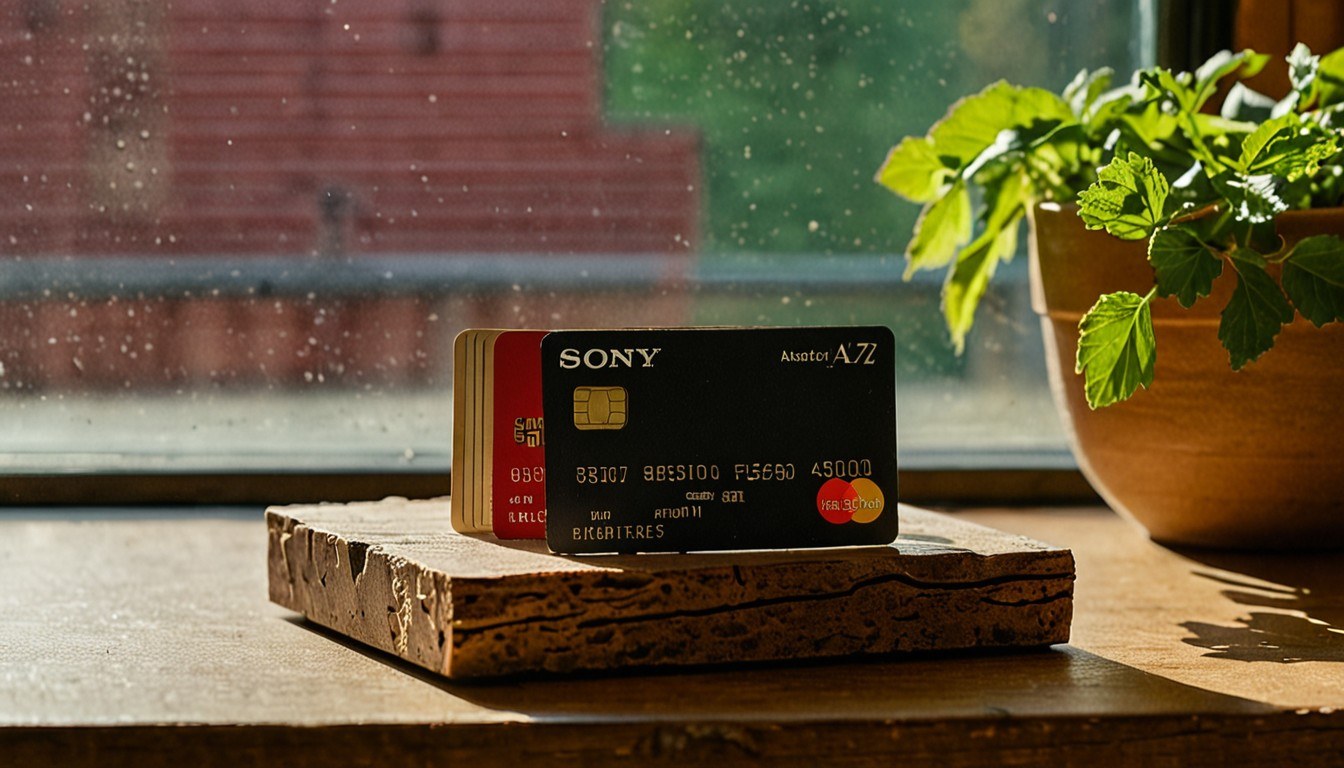
Selected for this guide
Pros
- No annual fee saves you money
- Helps build a positive credit history
- Can offer rewards like cashback or points
- Provides a convenient payment method
Cons
- May have lower reward rates compared to fee-based cards
- Often require a good credit score for approval
- Can have fewer premium benefits or perks
- Some may have higher interest rates on balances carried over
Based on FCAC alerts and public lender disclosures as of June 2026, with the prime rate approximately 7.20% and a FICO score of ~760 considered very good (Equifax good typically 660-724), navigating the Canadian credit card market requires careful consideration, especially regarding no-fee options.
Key Features of No-Fee Credit Cards in Canada
No-fee credit cards in Canada eliminate the annual cost associated with card ownership, making them an attractive option for budget-conscious consumers and those new to credit. These cards typically offer standard earning rates, such as 0.5% to 2% cash back on specific categories or all purchases, or basic rewards points programs. While they forgo annual fees, it is critical for consumers to understand the total cost of borrowing, which primarily stems from interest charges on outstanding balances and potential penalty fees for late payments or exceeding credit limits. The absence of an annual fee does not negate the importance of responsible credit management to avoid accruing high-interest debt.
For newcomers to Canada, establishing a credit history is paramount, and no-fee credit cards can play a foundational role. The initial steps involve obtaining a Social Insurance Number (SIN) immediately upon arrival through Service Canada and opening a bank account with a major Canadian financial institution like RBC, TD, Scotiabank, or CIBC. Many banks and credit unions offer newcomer-friendly programs that may include basic no-fee credit cards or secured credit cards, which require a security deposit. These products, such as the Capital One Guaranteed Secured Mastercard or Scotiabank's StartRight Program, are designed to report payment activity to credit bureaus like Equifax and TransUnion, building a Canadian credit file over time. A minimum of 3-6 months of consistent payment history is typically required before a credit score can be generated, as per FICO rules.
- No Annual Fee: Eliminates a recurring cost, making budgeting simpler.
- Standard Rewards Programs: Often include basic cash back (e.g., 0.5% - 2%) or points on purchases.
- Credit Building Opportunity: Essential for establishing or rebuilding credit history in Canada.
- Accessibility: Many major banks and credit unions offer no-fee options, including secured cards for those with limited credit history.
- Fraud Protection: Standard security features protect against unauthorized transactions.
Pros & Cons
Pros
- Avoids annual costs, saving money over time.
- Excellent for building or rebuilding credit history without added fees.
- Often provides basic rewards, turning everyday spending into small savings.
- Simpler budgeting due to predictable cost structure (only interest/fees if not paid in full).
Cons
- Typically offers lower rewards rates compared to premium, fee-based cards.
- May have fewer premium perks, such as travel insurance or extended warranties.
- Interest rates can be high (e.g., 19.99% - 24.99%) if balances are not paid in full monthly.
- Risk of accumulating debt if spending is not managed responsibly.
How It Compares
While no-fee credit cards offer clear advantages for cost-conscious consumers, it's crucial to understand their place in the broader credit landscape. For those with excellent credit and specific spending patterns, a premium card with an annual fee might offer greater net value through enhanced rewards, travel benefits, or insurance coverage. However, the calculation of this net value must rigorously account for the annual fee against the earned rewards and benefits. For instance, a card with a $120 annual fee offering 4% cash back on groceries would require significant grocery spending to offset the fee and surpass the savings from a no-fee card offering 2% cash back on all purchases.
For individuals with lower credit scores (e.g., below 620, considered "bad credit"), traditional unsecured no-fee cards may be inaccessible. In these cases, alternative solutions like secured credit cards or even personal loans designed for bad credit become relevant. The FCAC highlights secured credit cards as a viable path to credit building. Loan providers for those with bad credit, such as Fairstone, Credit Unions, and certain major banks (often through specialized programs), offer installment loans with significantly higher APRs than standard credit cards. These loans can range from 9.99% to 46.99%, potentially even higher in some cases for payday loans, before hitting the federal criminal rate cap. The criminal rate cap, as amended in 2025 under section 347 of the Criminal Code, sets the maximum effective annual interest rate at 35% (previously 35% (s.347 criminal rate as amended 2025; max APR)), aiming to curb predatory lending practices. Provincial regulations, such as Ontario's high-cost credit rules or Alberta's cost of credit disclosure requirements, further regulate these products, particularly payday loans and high-interest installment loans, to protect consumers.
Here's a comparison of typical bad-credit friendly loan options:
| Provider/Platform | Typical APR range | Loan amounts | Terms | Notes |
|---|---|---|---|---|
| Fairstone | 26.99%-39.99% | $500 - $35,000 | 6-60 months | Offers secured and unsecured loans; often a lender of last resort for those rebuilding credit. |
| Credit Unions (e.g., Vancity, Meridian) | 9.99%-24.99% | $500 - $50,000 | 12-84 months | More flexible underwriting; often prioritize member well-being over strict credit scores. |
| Major Banks (e.g., RBC, TD, BMO) | 10.99%-29.99% | $1,000 - $50,000+ | 12-60 months | May offer personal loans to existing customers with some credit history, even if not prime; specialized programs exist. |
| Borrowell (Marketplace) | 9.99%-46.99% | $1,000 - $35,000 | 12-60 months | Connects borrowers with various lenders; APR varies widely based on lender and credit profile. |
Cost Scenario: Consider a $5,000 personal loan over 36 months at 29.99% APR (a common rate for those with fair to bad credit). Total interest paid would be approximately $2,698. Monthly payments would be around $213.84. This demonstrates the significant cost of borrowing when credit scores are low.
Cost Scenario: A $10,000 loan over 48 months at 19.99% APR. Total interest paid would be approximately $4,584. Monthly payments would be around $303.83. Even at a lower rate, the extended term significantly increases total interest.
Cost Scenario: A $1,000 loan over 12 months at 39.99% APR. Total interest paid would be approximately $220. Monthly payments would be around $101.67. Smaller loans at high rates can still be costly relative to the principal.
Who It's For
No-fee credit cards are ideal for:
- Credit Builders: Individuals with no credit history (e.g., newcomers, young adults) or those rebuilding damaged credit.
- Budget-Conscious Consumers: Anyone who wants to avoid annual fees and prefers a straightforward card product.
- Responsible Spenders: Users who consistently pay their balance in full each month, thus avoiding interest charges.
- Minimalist Spenders: Those who use a credit card primarily for emergencies or small, routine purchases.
How to Apply
Applying for a no-fee credit card in Canada typically involves a few key steps:
- Research and Compare: Identify cards that match your spending habits and credit profile. Review the terms and conditions carefully, paying attention to interest rates, grace periods, and any potential fees (e.g., foreign transaction fees).
- Check Eligibility Requirements: Ensure you meet the minimum age (18 or 19 depending on province), residency, and income requirements. For secured cards, be prepared for a security deposit.
- Gather Documentation: You'll typically need government-issued ID (e.g., driver's license, passport), proof of income (e.g., pay stubs, employment letter), and your Social Insurance Number (SIN).
- Complete the Application: Most applications can be done online. Be honest and accurate with all information.
- Credit Check: The issuer will perform a hard credit inquiry, which may temporarily lower your credit score by a few points.
- Approval and Activation: If approved, your card will be mailed to you. Activate it immediately upon receipt and sign the back.
What Actually Builds Your Credit Score
Your credit score, such as those from Equifax or TransUnion, is a dynamic representation of your creditworthiness and is influenced by several factors, with payment history being the most significant. According to FCAC and credit bureau data, maintaining a healthy credit score involves more than just having credit products. On-time payments for secured credit cards and other credit products are reported directly to Equifax and TransUnion, forming the backbone of your credit history. Utilization, or the amount of credit you're using compared to your total available credit, is another critical factor; keeping it below 30% is widely recommended. The length of your credit history, the mix of credit products (e.g., credit cards, lines of credit, loans), and the number of recent inquiries also play roles. What does not typically report to credit bureaus, and therefore doesn't build your score, includes rent payments (unless through specific services like Landlord Credit Bureau or RentReporters) or utility payments, unless they become delinquent and are sent to collections.
- Payment History (approx. 35%): Consistently paying bills on time, every time. This is the single most important factor.
- Credit Utilization (approx. 30%): How much credit you're using versus your total available credit. Keep it below 30% for optimal scores.
- Length of Credit History (approx. 15%): The longer your accounts have been open and in good standing, the better. A minimum of 3-6 months of activity is needed for a score to be generated.
- Credit Mix (approx. 10%): Having a healthy mix of different credit types (e.g., credit card, installment loan) can be beneficial.
- New Credit/Inquiries (approx. 10%): Too many hard inquiries in a short period can signal risk.
Responsible Borrowing Tactics
- Pay Your Balance in Full and On Time: This avoids interest charges and builds positive payment history, the most critical factor for your credit score. Why it matters: Prevents debt accumulation and significantly boosts your credit score.
- Keep Credit Utilization Low: Aim to use less than 30% of your available credit. Why it matters: High utilization signals higher risk to lenders and can negatively impact your score.
- Set Up Automatic Payments: Ensure you never miss a due date. Why it matters: Protects your payment history, which is paramount for a strong credit score, and avoids late fees.
- Regularly Review Your Credit Report: Check for errors or fraudulent activity on your Equifax and TransUnion reports. Why it matters: Errors can unfairly lower your score, and early detection of fraud protects your financial identity.
FAQ
Can I get a no-fee credit card with bad credit in Canada?
It's challenging to get an unsecured no-fee credit card with bad credit. Your best option is a secured credit card, which requires a security deposit but reports to credit bureaus, helping you build credit. Capital One Guaranteed Secured Mastercard is a common example for this purpose. Many credit unions also offer secured options.
Do no-fee credit cards offer rewards?
Yes, many no-fee credit cards offer basic rewards, typically 0.5% to 2% cash back or points on eligible purchases. These are usually less generous than premium cards with annual fees but still provide value.
How long does it take to build credit with a no-fee credit card?
With consistent, on-time payments and low credit utilization, you can start establishing a credit history within 3-6 months. A strong credit score typically takes 1-2 years of responsible credit use.
What is the criminal rate cap on interest in Canada?
As amended in 2025 under section 347 of the Criminal Code, the maximum effective annual interest rate that can be charged is 35%. This cap applies to all lending products, including credit cards and installment loans, and
Ready to apply?
See options on Ratehub →Our Methodology
BGR's editorial team evaluates every Canadian credit card using a 7-factor scoring model aligned with FCAC guidelines.
Data sources: FCAC, CMHC, issuer websites, Equifax Canada, TransUnion Canada. Last audit: June 2026.