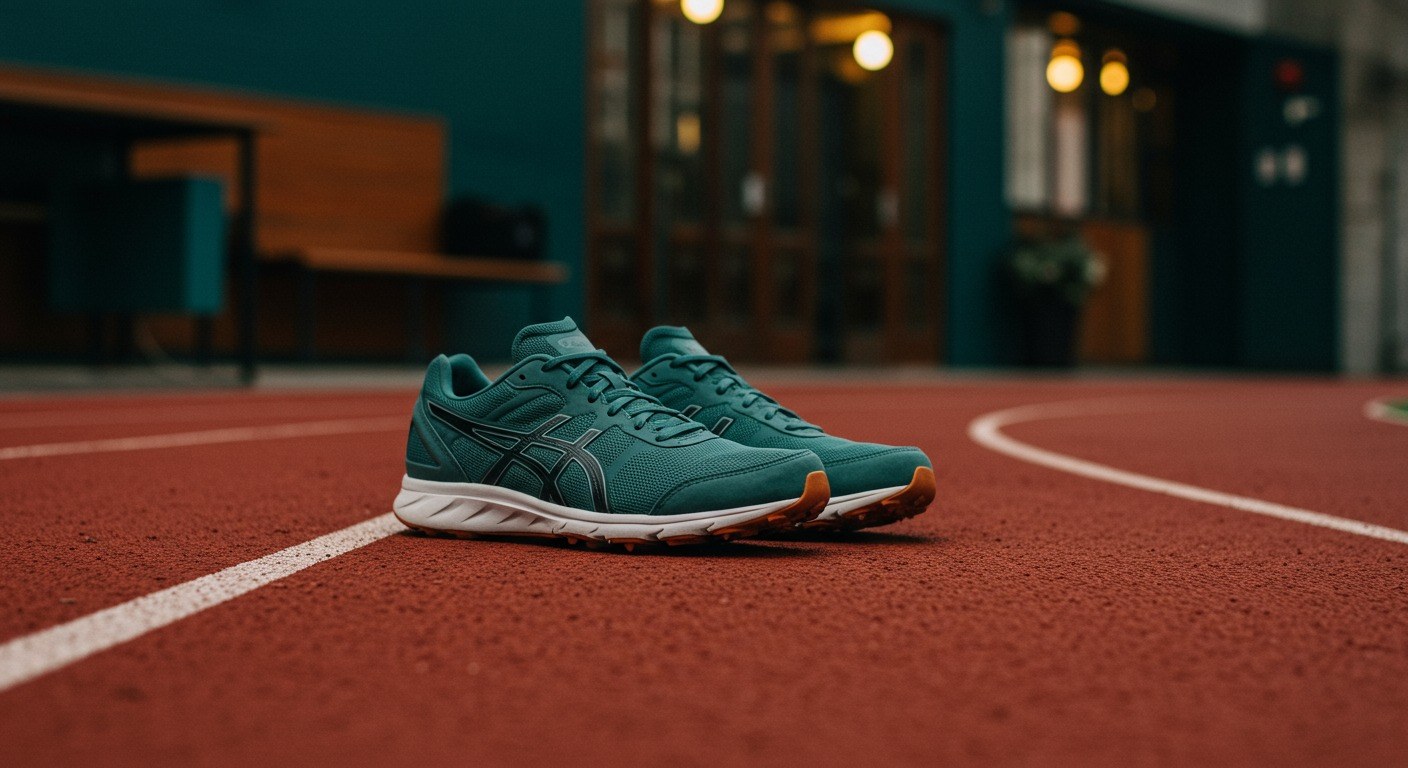
Alright, let's talk running shoes. As a Canadian who's pounded pavement (and slush) from St. John's to Vancouver, I know finding the right shoe isn't just about looking good. It's about comfort, performance, and surviving our unpredictable weather. This guide focuses on the best women's running shoes you can expect to find in Canada in 2026, keeping in mind our unique challenges: icy sidewalks, rainy springs, and the need for shoes that can handle more than just a perfectly manicured track.
Editorial Score
Brooks Glycerin 24
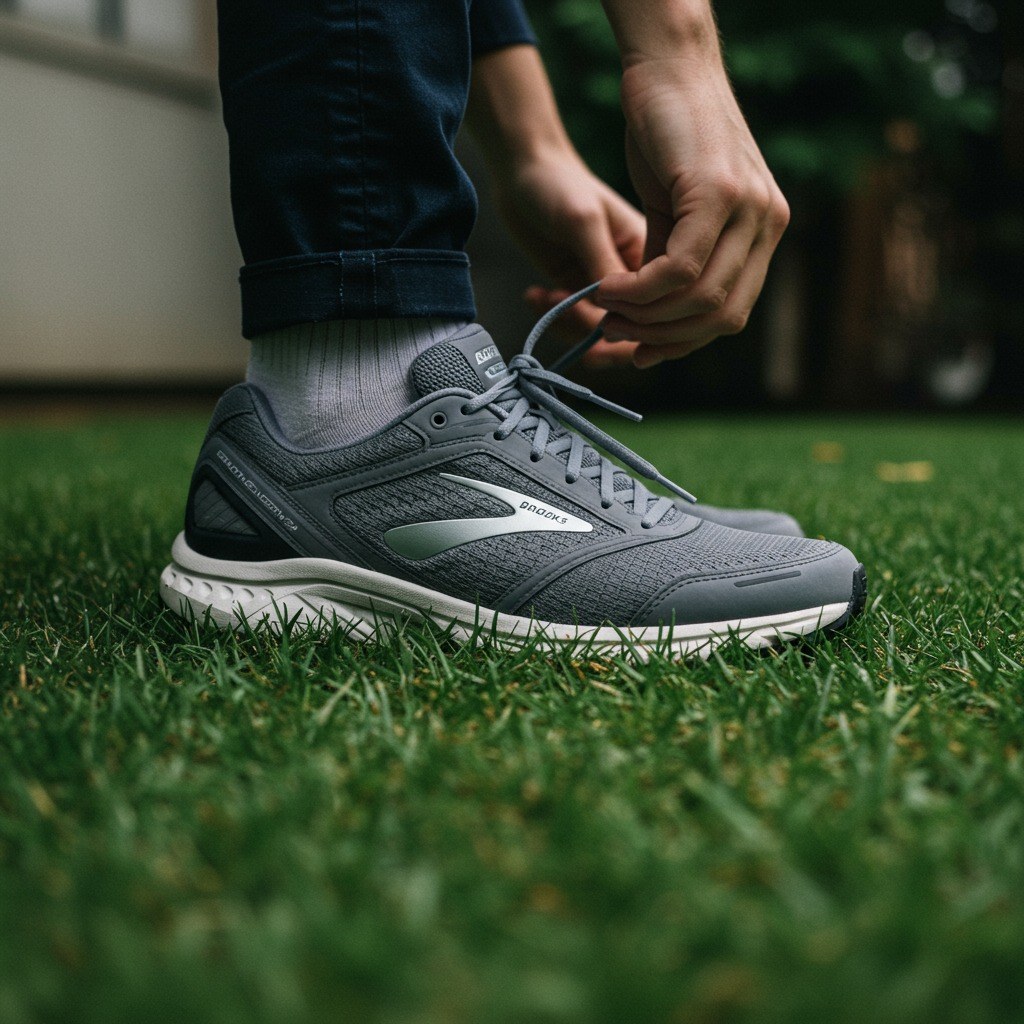
Selected for this guide
Pros
- Exceptional cushioning for long distances
- Smooth and stable ride
- Durable outsole for Canadian terrains
- Available in a wide range of sizes and widths
Cons
- Can feel bulky for speed workouts
- May be too soft for some runners
- Price point is higher than some competitors
Alright, let's talk running shoes. As a Canadian who's pounded pavement (and slush) from St. John's to Vancouver, I know finding the right shoe isn't just about looking good. It's about comfort, performance, and surviving our unpredictable weather. This guide focuses on the best women's running shoes you can expect to find in Canada in 2026, keeping in mind our unique challenges: icy sidewalks, rainy springs, and the need for shoes that can handle more than just a perfectly manicured track.
Key Features
When I'm evaluating running shoes, especially for Canadian conditions, I look for these key features:
- Grip: This is HUGE. Forget those pretty, smooth soles. We need aggressive tread patterns that can handle wet or icy surfaces. Look for outsoles with rubber compounds designed for cold weather, often indicated by terms like "winter grip" or "all-weather traction."
- Water Resistance/Proofing: Full waterproof is overkill for most runs, but water-resistant uppers are essential. Think breathable materials treated with a Durable Water Repellent (DWR) finish. Keeps your feet drier in light rain or snow.
- Cushioning: Find the right balance. Too much cushioning can feel mushy and unstable, especially on uneven terrain. Too little, and your joints will hate you after a few kilometers. Consider your weight, running style, and the type of surfaces you typically run on.
- Support: Overpronation (when your foot rolls inward excessively) is a common issue. Look for shoes with medial support features to help correct your gait and prevent injuries. Neutral runners need less support.
- Breathability: Even in winter, your feet sweat. Breathable uppers (mesh, knit) allow moisture to escape, preventing blisters and keeping your feet comfortable. Look for a balance between breathability and water resistance.
- Durability: Canadian winters are hard on shoes. Salt, slush, and gravel take their toll. Look for shoes with durable outsoles and reinforced uppers.
- Fit: This is personal, but crucial. A snug, comfortable fit is essential. You should have about a thumb's width of space between your longest toe and the end of the shoe. Get professionally fitted at a running store if possible. Don't just rely on your usual shoe size.
Pros & Cons
Let's consider some general pros and cons of different types of running shoes commonly available in Canada:
Road Running Shoes (Standard):
- Pros: Lightweight, good cushioning, breathable, wide variety of styles and prices.
- Cons: Poor grip on ice and snow, not very water-resistant, less durable in harsh conditions.
Trail Running Shoes:
- Pros: Excellent grip on uneven surfaces, more durable than road shoes, often water-resistant.
- Cons: Can feel clunky on pavement, less cushioning than road shoes, may be overkill for purely urban running.
Waterproof Running Shoes (e.g., with Gore-Tex):
- Pros: Excellent water protection, keep feet dry in wet conditions.
- Cons: Less breathable than non-waterproof shoes, can be expensive, may feel warmer than necessary in mild weather.
Winter Running Shoes (Spiked or with enhanced traction):
- Pros: Best grip on ice and snow, provide confidence in slippery conditions.
- Cons: Uncomfortable on bare pavement, can damage indoor surfaces, may be overkill for areas with minimal ice.
How It Compares
Here's a comparison of some shoes you can expect to see as top contenders in the Canadian market in 2026, keeping in mind that specific models evolve over time. I'm focusing on brands that are widely available at retailers like Canadian Tire, Sport Chek, Atmosphere, Running Room, and online at Amazon.ca. Pricing is approximate and can vary based on sales and retailer.
1. Brooks Glycerin 23 (Road Shoe):
- Description: A highly cushioned neutral shoe designed for road running. Known for its plush comfort and smooth ride. Expect to see it around $180-$220 CAD.
- Pros: Excellent cushioning for long distances, comfortable upper, durable construction.
- Cons: Not ideal for wet or icy conditions, less responsive than some other shoes.
- Canadian Take: A great option for dry pavement days, but you'll need a different shoe for winter.
2. Salomon Speedcross 7 (Trail Shoe):
- Description: A popular trail running shoe with aggressive lugs for excellent grip on soft and uneven terrain. Expect to see it around $160-$200 CAD.
- Pros: Superb grip on trails, durable, relatively lightweight for a trail shoe.
- Cons: Can feel clunky on pavement, not as much cushioning as a road shoe, narrow fit for some.
- Canadian Take: A solid choice for trail running in all seasons, but not ideal for primarily road running. Consider the Gore-Tex version for added water protection.
3. Saucony Peregrine 15 ICE+ (Winter Trail Shoe):
- Description: A winter-specific trail running shoe with Vibram Arctic Grip outsole for exceptional traction on ice and snow. Expect to see it around $180-$240 CAD.
- Pros: Unmatched grip on ice, water-resistant upper, durable.
- Cons: Not comfortable on bare pavement, can be noisy, relatively heavy.
- Canadian Take: The go-to shoe for icy winter runs. Worth the investment if you run regularly in snowy conditions. Be mindful of using them indoors as the aggressive tread can damage floors.
4. New Balance Fresh Foam X 880v16 (Road Shoe - Versatile):
- Description: A versatile road shoe that balances cushioning and responsiveness. A good option for everyday training. Expect to see it around $150-$190 CAD.
- Pros: Good cushioning, comfortable upper, durable, suitable for a variety of runs.
- Cons: Not the most exciting shoe, grip is average, not ideal for extreme conditions.
- Canadian Take: A solid all-around option for Canadians who want one shoe for a variety of runs. Consider pairing it with waterproof socks for wet weather.
Who It's For
- Brooks Glycerin 23: Ideal for neutral runners who prioritize comfort and cushioning for road running, especially on dry days.
- Salomon Speedcross 7: Best for trail runners who need excellent grip on soft and uneven terrain.
- Saucony Peregrine 15 ICE+: Essential for runners who brave icy conditions and need maximum traction.
- New Balance Fresh Foam X 880v16: A good all-around shoe for runners who want a versatile option for everyday training on roads.
Beginner Mistakes to Avoid:
- Buying based on looks: Performance trumps aesthetics.
- Ignoring fit: Get your feet measured and try on shoes before buying.
- Not considering your running style: Understand your pronation and choose shoes accordingly.
- Wearing old shoes: Replace your running shoes every 500-800 kilometers.
- Not breaking them in: Wear new shoes for short runs before tackling longer distances.
How to Choose
Choosing the right running shoe in Canada requires careful consideration. Here's a step-by-step guide:
- Assess Your Needs: Consider the type of running you'll be doing (road, trail, winter), your running style (neutral, overpronation), and your budget.
- Get Your Feet Measured: Visit a specialty running store for a professional fitting. They can assess your foot type, arch height, and pronation.
- Try On Multiple Pairs: Don't settle for the first shoe you try. Try on several pairs from different brands and models.
- Consider the Season: If you run year-round, you'll likely need different shoes for summer and winter.
- Read Reviews: Research different models and read reviews from other runners.
- Test Them Out: Most running stores will let you run on a treadmill or even outside to test the shoes.
- Don't Be Afraid to Return: If the shoes don't feel right after a few runs, return them if the store has a good return policy.
- Think About Socks: Wear the type of socks you'll be running in when you try on shoes.
- Check for Sales: Running shoes can be expensive. Look for sales and discounts at online retailers and local stores.
- Maintenance: Clean your shoes regularly with a mild soap and water. Allow them to air dry. Don't put them in the dryer.
Safety Considerations:
- Visibility: Wear bright clothing and reflective gear, especially when running in low light conditions.
- Headphones: Be aware of your surroundings when running with headphones. Keep the volume low enough to hear traffic and other sounds.
- Weather Conditions: Check the weather forecast before you run. Dress appropriately for the conditions.
- Route Planning: Choose safe and well-lit routes. Avoid running alone in isolated areas.
- Carry Identification: Carry identification and emergency contact information with you.
FAQ
How often should I replace my running shoes?
Generally, you should replace your running shoes every 500-800 kilometers (300-500 miles). Factors like your weight, running style, and the type of surfaces you run on can affect the lifespan of your shoes. Look for signs of wear and tear, such as worn outsoles, compressed midsoles, and a loss of cushioning.
What's the difference between road running shoes and trail running shoes?
Road running shoes are designed for running on paved surfaces. They typically have less aggressive tread patterns and more cushioning than trail running shoes. Trail running shoes are designed for running on uneven and unpaved surfaces. They have more aggressive tread patterns for better grip and more durable uppers to protect your feet from rocks and debris.
What does "pronation" mean, and how does it affect my shoe choice?
Pronation refers to the natural inward rolling motion of your foot as it strikes the ground. Overpronation (excessive inward rolling) is a common issue that can lead to injuries. If you overpronate, you should choose shoes with medial support features to help correct your gait. Neutral runners (those with minimal pronation) can wear neutral shoes with less support.
Are waterproof running shoes worth it?
Waterproof running shoes can be a good option if you run frequently in wet conditions. However, they are less breathable than non-waterproof shoes and can be more expensive. Consider your running habits and the climate you live in to determine if waterproof shoes are right for you. Waterproof socks can also be a good alternative.
Can I use my running shoes for other activities?
While you can use your running shoes for other activities like walking or gym workouts, they are specifically designed for the repetitive motion of running. Using them for other activities may shorten their lifespan. Consider investing in shoes that are specifically designed for those activities.
Where's the best place to buy running shoes in Canada?
You have several options. Specialty running stores like Running Room offer expert fitting advice and a wide selection of shoes. Sport Chek and Atmosphere are good options for more mainstream brands. Canadian Tire often carries entry-level models. Online retailers like Amazon.ca offer convenience and competitive prices, but you won't get the personalized fitting experience. I always recommend getting fitted at a store first, then comparing prices online.
We may earn a commission from links. Opinions are our own. Verify specs and prices before buying.
Ready to apply?
Check provider website →