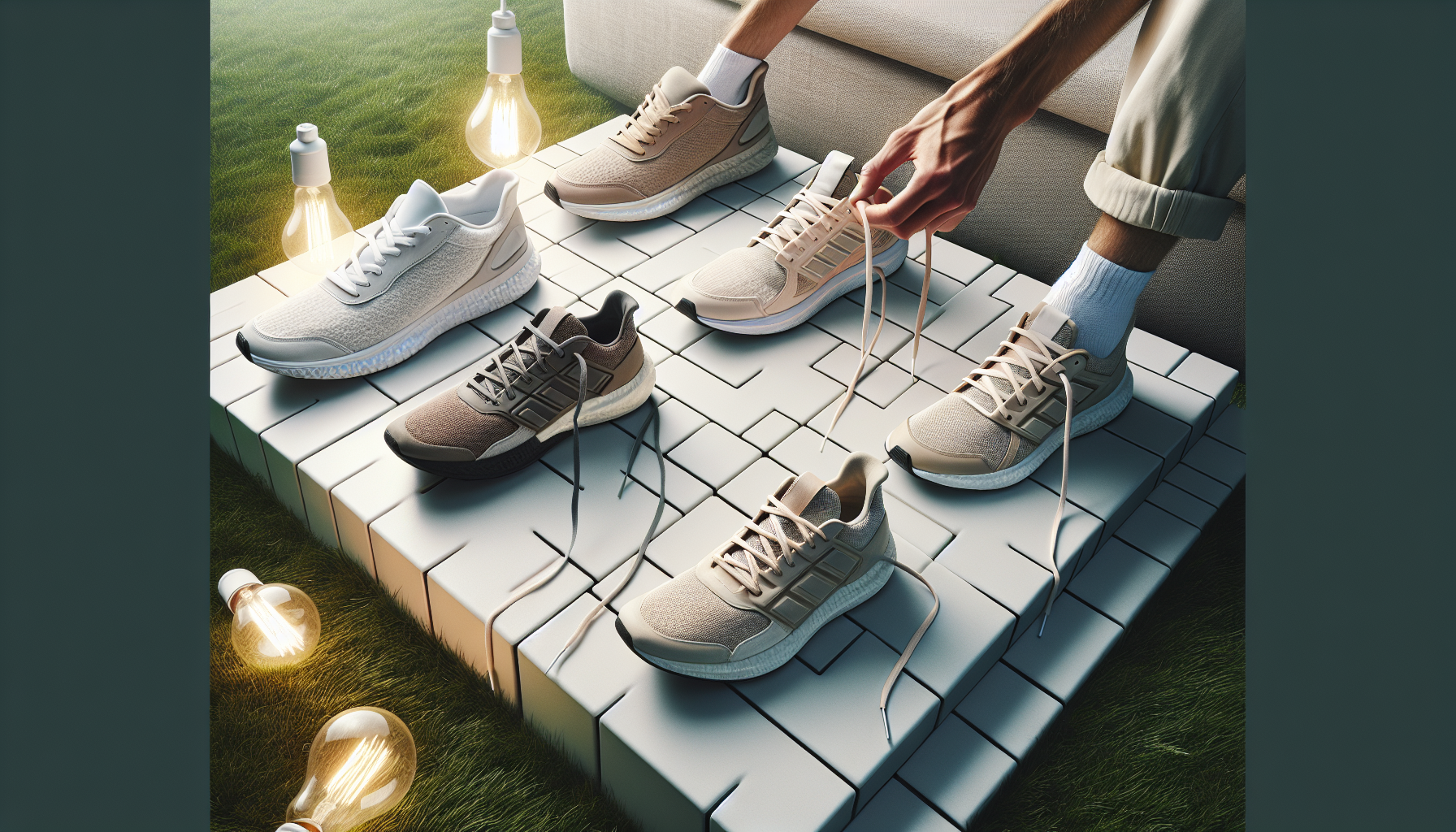
When it comes to running shoes, Nike and Adidas are two of the most popular brands worldwide, and they have a significant presence in Canada. Both brands offer a variety of models designed for different types of runners, preferences, and conditions. In this guide, we will explore the key features of selected models from each brand, so you can make an informed decision.
Editorial Score
Top pick
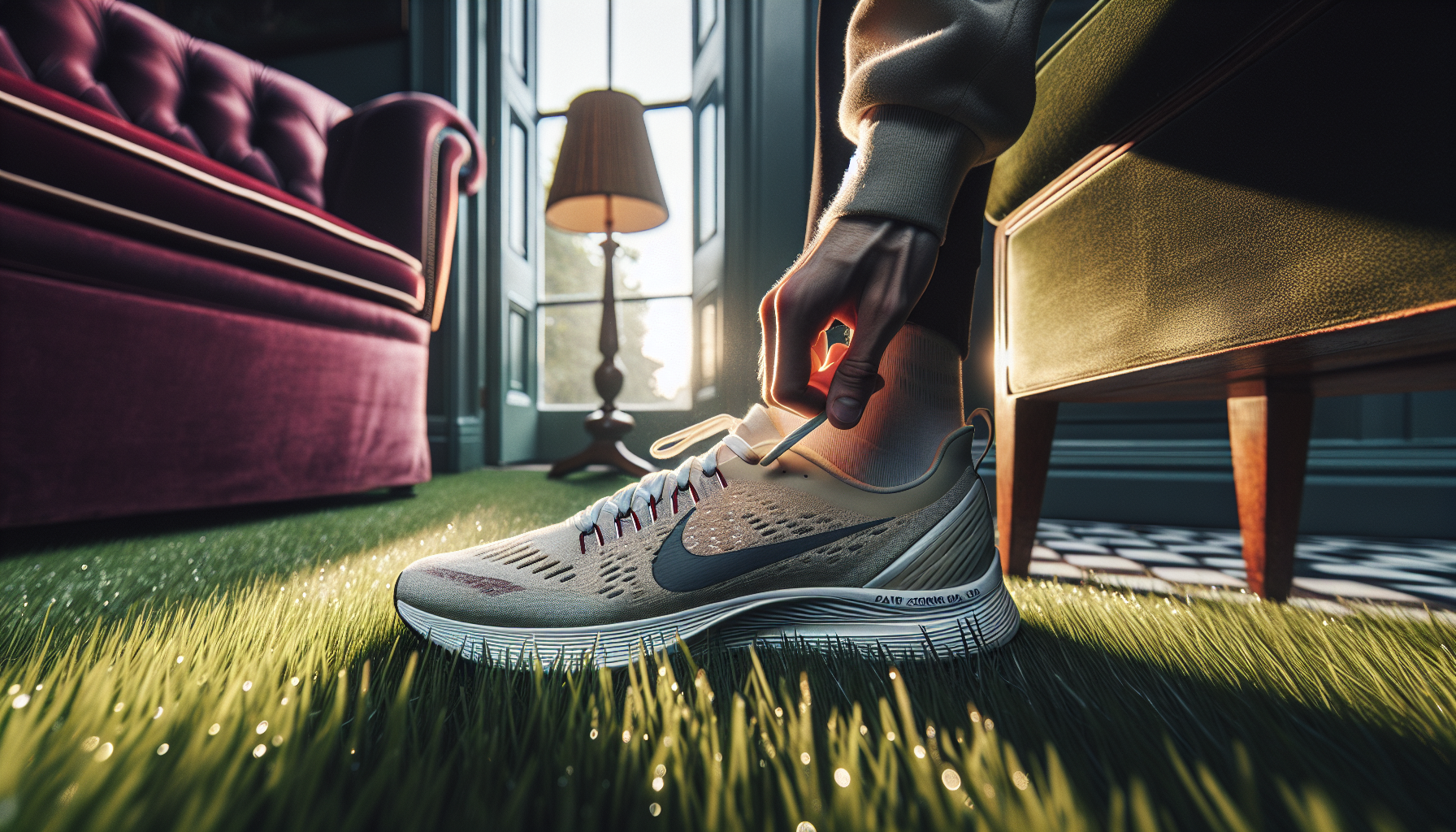
Nike Air Zoom Pegasus 39
Pros
- Lightweight and breathable design
- Responsive cushioning for comfort
- Versatile for various running styles
- Durable construction suitable for long-term use
Cons
- May run slightly narrow for some users
- Higher price point compared to some competitors
- Limited color options available
Key Features
When it comes to running shoes, Nike and Adidas are two of the most popular brands worldwide, and they have a significant presence in Canada. Both brands offer a variety of models designed for different types of runners, preferences, and conditions. In this guide, we will explore the key features of selected models from each brand, so you can make an informed decision.
Nike Air Zoom Pegasus 39
- Weight: Approximately 9.5 oz (men's size 10)
- Drop: 10 mm
- Upper Material: Breathable mesh
- Cushioning: Zoom Air units for responsive cushioning
- Price: From $160 CAD
The Pegasus line has been a staple in the Nike range for years, providing a balanced combination of comfort and responsiveness. The 39th iteration features an updated mesh upper for improved breathability, making it suitable for both warm and cool Canadian weather.
Adidas Ultraboost 22
- Weight: Approximately 10.5 oz (men's size 10)
- Drop: 10 mm
- Upper Material: Primeknit for a snug fit
- Cushioning: Boost midsole for maximum energy return
- Price: From $220 CAD
The Ultraboost series is known for its plush cushioning and comfort. With its Primeknit upper, it offers a sock-like fit that adapts to your foot’s shape. This makes it a great choice for longer runs, especially in colder weather where added warmth is beneficial.
Nike React Infinity Run Flyknit
- Weight: Approximately 10.2 oz (men's size 10)
- Drop: 9 mm
- Upper Material: Flyknit for flexibility and breathability
- Cushioning: React foam for a soft yet responsive experience
- Price: From $190 CAD
The React Infinity Run is designed to help reduce the risk of injury, providing a stable and cushioned experience. If you plan to run on mixed terrain or in less-than-ideal weather, this shoe’s durability and traction make it a solid choice.
Adidas Solar Glide 4
- Weight: Approximately 10.6 oz (men's size 10)
- Drop: 10 mm
- Upper Material: Engineered mesh
- Cushioning: Boost and EVA for balanced cushioning
- Price: From $180 CAD
The Solar Glide 4 offers a mix of comfort and stability, with a focus on long-distance running. Its engineered mesh upper allows for breathability while providing a snug fit, making it suitable for varying Canadian climates.
Pros & Cons
Nike Running Shoes
Pros:
- Innovative cushioning technology for various running styles.
- Lightweight options for speed-focused training.
- Stylish designs that appeal to a broader audience.
Cons:
- Some models may lack durability on rough terrain.
- Fit may not suit wider feet.
Adidas Running Shoes
Pros:
- Exceptional cushioning with Boost technology for energy return.
- Good stability for long-distance runners.
- Wide range of styles and colors.
Cons:
- Generally heavier than some Nike models.
- Higher price point for premium models.
How It Compares
When comparing Nike and Adidas, it’s essential to consider the specific models and their intended use. Below is a comparative table to summarize the strengths of the key models discussed:
| Model | Weight | Cushioning | Price | Best For |
|---|---|---|---|---|
| Nike Air Zoom Pegasus 39 | 9.5 oz | Responsive Zoom Air | From $160 CAD | All-round running |
| Adidas Ultraboost 22 | 10.5 oz | Max Boost | From $220 CAD | Long-distance comfort |
| Nike React Infinity Run Flyknit | 10.2 oz | Soft React foam | From $190 CAD | Stability and injury prevention |
| Adidas Solar Glide 4 | 10.6 oz | Boost + EVA | From $180 CAD | Long-distance stability |
In summary, if you prioritize lightweight performance, the Nike Air Zoom Pegasus may be your best bet. However, for those who value plush comfort over long distances, the Adidas Ultraboost stands out.
Who It's For
Your choice between Nike and Adidas running shoes will depend on a few factors:
- Running Style: If you’re a casual runner, the Pegasus and Solar Glide offer versatility. Serious runners may prefer the responsiveness of the React or the comfort of the Ultraboost.
- Foot Shape: Nike tends to be narrower, while Adidas often accommodates wider feet better. Trying them on is crucial.
- Weather Considerations: For colder Canadian winters, look for shoes with better insulation or water resistance.
Additionally, consider your storage space. Running shoes should ideally be stored in a cool, dry place, away from direct sunlight, to maintain their material integrity.
How to Choose
Choosing the right running shoes involves several key steps:
- Understand Your Foot Type: Know if you have a neutral, flat, or high-arched foot. This will help you select the right cushioning and support.
- Try Before You Buy: Always try on shoes in-store if possible. Walk and jog a little to ensure they feel comfortable and secure.
- Consider Your Budget: Prices can vary widely. Look for seasonal sales at places like Canadian Tire or Home Depot, or check online at Amazon.ca for competitive prices.
- Check Return Policies: Make sure you understand the return policy, especially if buying online. Brands like Nike and Adidas often have good policies that allow for returns if the shoes don't meet your expectations.
FAQ
How often should I replace my running shoes?
Generally, running shoes should be replaced every 300-500 kilometers, depending on wear and tear. Look for signs such as decreased cushioning or visible damage.
What’s the best way to clean running shoes?
For most shoes, a damp cloth and mild soap will do. Avoid soaking them and never put them in the dryer, as heat can warp the materials.
Are more expensive running shoes worth it?
Not necessarily. While premium shoes often offer advanced technology and materials, it’s crucial to find a shoe that fits well and meets your running needs, regardless of price.
Can I wear running shoes for casual wear?
Absolutely! Running shoes are designed for comfort and support, making them a great choice for casual outings.
What's the return policy for Nike and Adidas shoes?
Both brands typically offer a 30-day satisfaction guarantee. Check their websites for specific details, as policies may vary by retailer.
We may earn a commission from links. Opinions are our own. Verify specs and prices before buying.
Ready to apply?
Compare & Apply →Our Methodology
BGR's editorial team evaluates products using independent testing, consumer data, and verified Canadian market pricing.
Data sources: FCAC, CMHC, issuer websites, Equifax Canada, TransUnion Canada. Last audit: June 2026.