When selecting the best trail running shoes for beginners in Canada, several key features set a good pair apart from the rest. As a beginner, you want shoes that will provide comfort, support, and durability, particularly in Canada’s diverse climates and rugged terrains. Here are the essential features to consider:
Editorial Score
Top pick
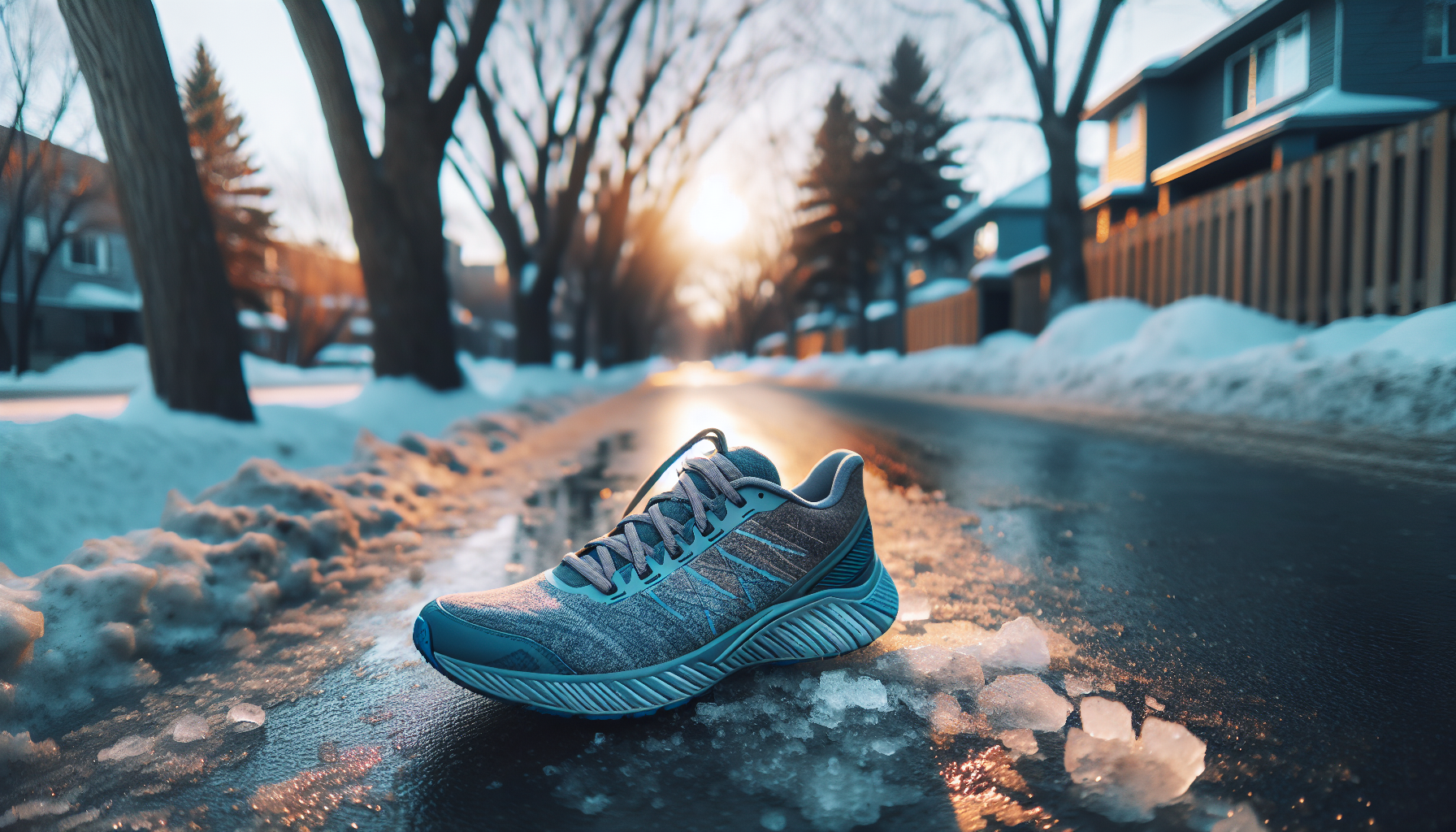
Hoka One One Challenger ATR 6
Pros
- Exceptional cushioning for comfort on long runs
- Lightweight design enhances speed and agility
- Versatile for both trails and roads
- Good traction on various surfaces
Cons
- May feel too cushioned for some runners
- Not as durable on rugged terrains
- Sizing can be inconsistent
Key Features
When selecting the best trail running shoes for beginners in Canada, several key features set a good pair apart from the rest. As a beginner, you want shoes that will provide comfort, support, and durability, particularly in Canada’s diverse climates and rugged terrains. Here are the essential features to consider:
- Traction: Look for shoes with a robust outsole that features deep lugs for superior grip on various surfaces, including mud, rocks, and wet conditions.
- Cushioning: Ample cushioning is essential for absorbing impact, especially when running on uneven ground. EVA foam or gel cushioning systems are common in good trail shoes.
- Weight: Lightweight shoes (between 250-350 grams) are ideal for beginners, providing comfort without sacrificing support.
- Durability: Materials like synthetic mesh or reinforced toe caps enhance durability, especially when navigating through rugged terrains.
- Water Resistance: Given Canada’s wet weather, consider shoes with waterproof or water-resistant features to keep your feet dry on rainy days.
- Fit: A snug yet comfortable fit is crucial. Look for shoes with a secure heel counter and ample toe box to prevent blisters and discomfort during long runs.
Pros & Cons
When investing in trail running shoes, it’s essential to weigh the pros and cons of various models. Here’s a breakdown of what you can generally expect from beginner-friendly trail shoes:
Pros
- Enhanced traction for better stability on uneven terrains.
- Added cushioning helps reduce fatigue on long runs.
- Durable materials can withstand rough conditions.
- Many models offer water-resistant options for wet Canadian weather.
- Lightweight designs promote speed and comfort.
Cons
- Some models can be pricier, ranging from $120 to $250 CAD.
- May require a break-in period for optimal comfort.
- Not all models are suitable for all foot types; a poor fit can lead to discomfort.
- Heavy models may lead to fatigue over longer distances.
How It Compares
In 2026, several models stand out for beginners in the Canadian market. Here’s a comparison of three highly recommended trail running shoes:
| Model | Weight | Cushioning | Traction | Price Range |
|---|---|---|---|---|
| Salomon Speedcross 5 | 300g | Moderate | Aggressive | From $170 CAD |
| Hoka One One Challenger ATR 6 | 265g | Excellent | Moderate | From $200 CAD |
| Nike Wildhorse 7 | 290g | Good | Moderate | From $160 CAD |
The Salomon Speedcross 5 is known for its superior grip and aggressive tread, making it ideal for muddy trails, but it can feel a bit heavy for long distances. The Hoka One One Challenger ATR 6 is celebrated for its plush cushioning and lightweight design, perfect for beginners looking for comfort over long runs. Lastly, the Nike Wildhorse 7 balances durability and comfort well, though it may not offer as much traction as the others in extremely rugged conditions.
Who It's For
These trail running shoes are perfect for Canadian beginners who are just getting into the sport and may be running on varied terrains. Whether you live in urban areas with access to parks or rural regions with rugged trails, having the right pair of shoes is crucial. Here’s a breakdown of who would benefit most:
- New Runners: If you’re just starting out, these shoes will provide the necessary comfort and support.
- Occasional Trail Enthusiasts: Those who enjoy the occasional weekend trail run will find these shoes suitable for casual outings.
- Budget-Conscious Buyers: With most models in the $160 to $250 range, many options are accessible for those on a budget.
- Weather-Conscious Runners: If you live in a region with wet conditions, look for shoes with waterproof features.
How to Choose
Selecting the right pair of trail running shoes involves considering several factors:
- Know Your Terrain: Identify where you’ll primarily be running. Rocky, muddy, or flat trails will require different outsole designs.
- Try Before You Buy: Always try on shoes at the end of the day when your feet are slightly swollen. Walk or jog in them to ensure they fit correctly.
- Consider Your Weight: Heavier runners may need more cushioning and support, while lighter runners can opt for lighter models.
- Read Reviews: Look for feedback from other beginners to understand how a shoe performs in real-world conditions.
- Check Return Policies: Ensure you have a good return policy, especially if you're buying online. Some stores like Canadian Tire and Sport Chek offer flexible return options.
FAQ
What is the difference between trail running shoes and regular running shoes?
Trail running shoes are designed with features specific for off-road conditions, including better traction, durability, and often, water resistance. Regular running shoes are typically optimized for paved surfaces.
How often should I replace my trail running shoes?
As a general rule, replace your trail running shoes every 300-500 kilometers, depending on the terrain you run on and your running style.
Can I use trail running shoes for road running?
While you can use trail running shoes on roads, they may feel less cushioned and more rigid than dedicated road shoes. They are generally not recommended for extensive road running.
Are trail running shoes suitable for winter conditions?
Some trail running shoes come with water-resistant features and can handle light snow, but for heavy winter conditions, consider models specifically designed for winter running, which may include better insulation and traction.
Do I need special socks for trail running?
Yes, moisture-wicking socks are advisable as they help prevent blisters and keep your feet dry during runs.
We may earn a commission from links. Opinions are our own. Verify specs and prices before buying.
Ready to apply?
Compare & Apply →